SATELLITES
A ring of clocks in orbit
GPS satellites fly in six orbital planes about 20,200 km up, each circling the Earth twice a day. The US commits to at least 24 working satellites 95% of the time.
How a fix works doodlegps
HOW SATELLITE POSITIONING WORKS
GPS is really a clock system.
Check your sky
20,200 kmup, twice round a day
Satellites about 20,200 km up carry atomic clocks and broadcast time signals. Your phone compares them and works out where it must be. Small clock errors would soon become errors of kilometres.
At a glance
≈ 38 μs
Satellite clocks gain per day
Weaker gravity makes satellite clocks run about 45 microseconds a day fast, while their speed slows them by about 7. The net gain is about 38 microseconds a day.
CLOCK DRIFT · OHIO STATE UNIVERSITY
≈ 10 km
Position error growth per day
Left uncorrected, a fix would be false after about 2 minutes and errors would grow by roughly 10 km a day. The satellite clocks are built to tick slightly slower to compensate.
IF UNCORRECTED · OHIO STATE UNIVERSITY
TWO NUMBERS WORTH KNOWING
One figure for how much orbiting clocks drift,
one for what that would do to your map.
The satellite clock ticks must be known to within 20 to 30 nanoseconds for GPS to reach its precision, according to Ohio State University's astronomy department.
A QUICK SKY CHECK
Pick a setting to see how it affects a satellite fix. The bar shows how precise a position you can expect.
Based on the US government's GPS accuracy page (GPS.gov). Real results also depend on the receiver and the atmosphere.
THE SHORT ANSWER
Three ideas sit behind every GPS fix.
Each one changes how close the dot is.
SATELLITES
GPS satellites fly in six orbital planes about 20,200 km up, each circling the Earth twice a day. The US commits to at least 24 working satellites 95% of the time.
How a fix worksACCURACY
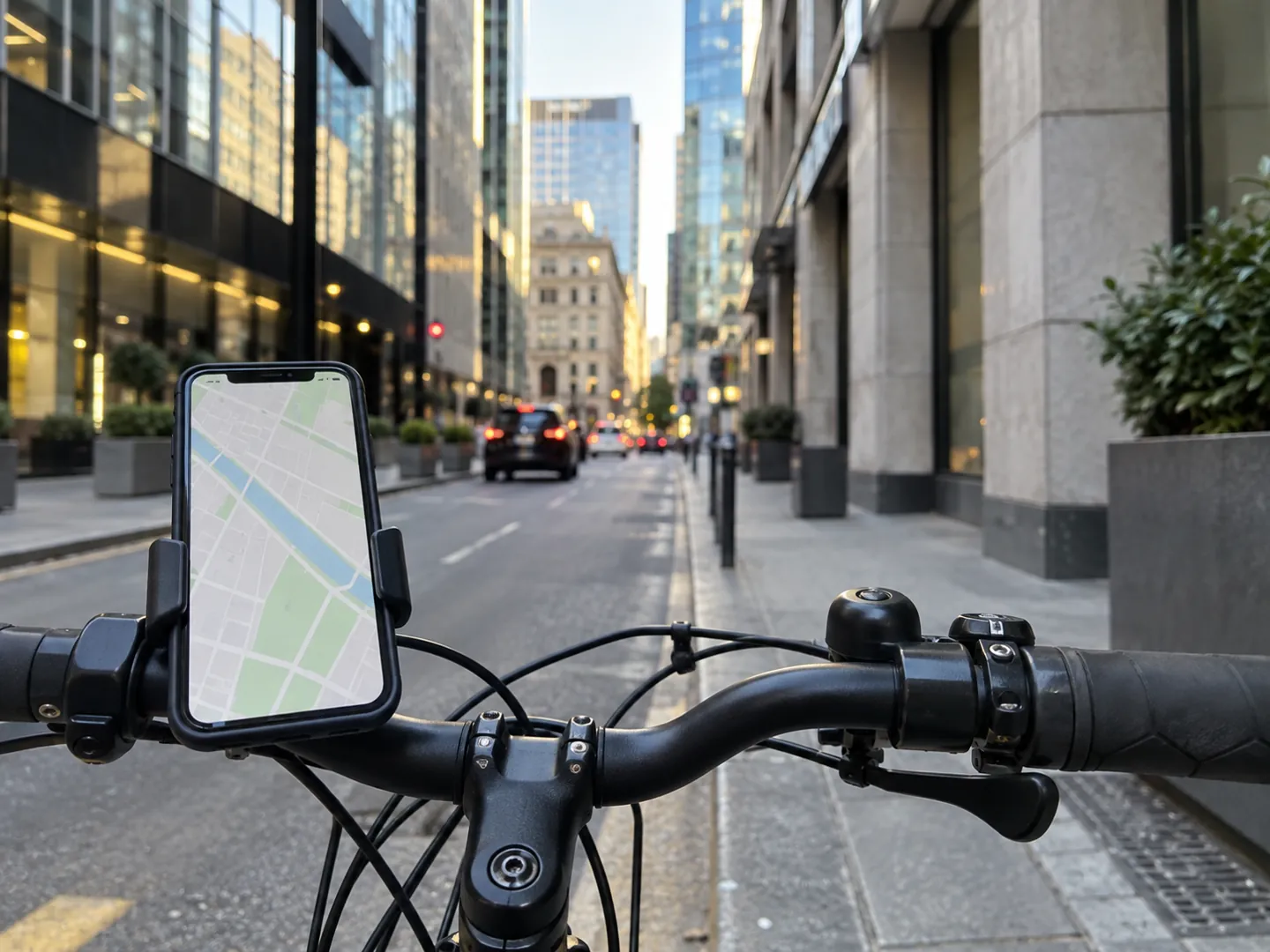
A GPS phone is typically accurate to within a 4.9 m radius under open sky. Buildings, bridges and trees block or bounce the signals.
Check your skyPRECISION
High-end receivers using dual frequencies or augmentation systems can reach a few centimetres in real time, and millimetres over long measurements.
See the numbers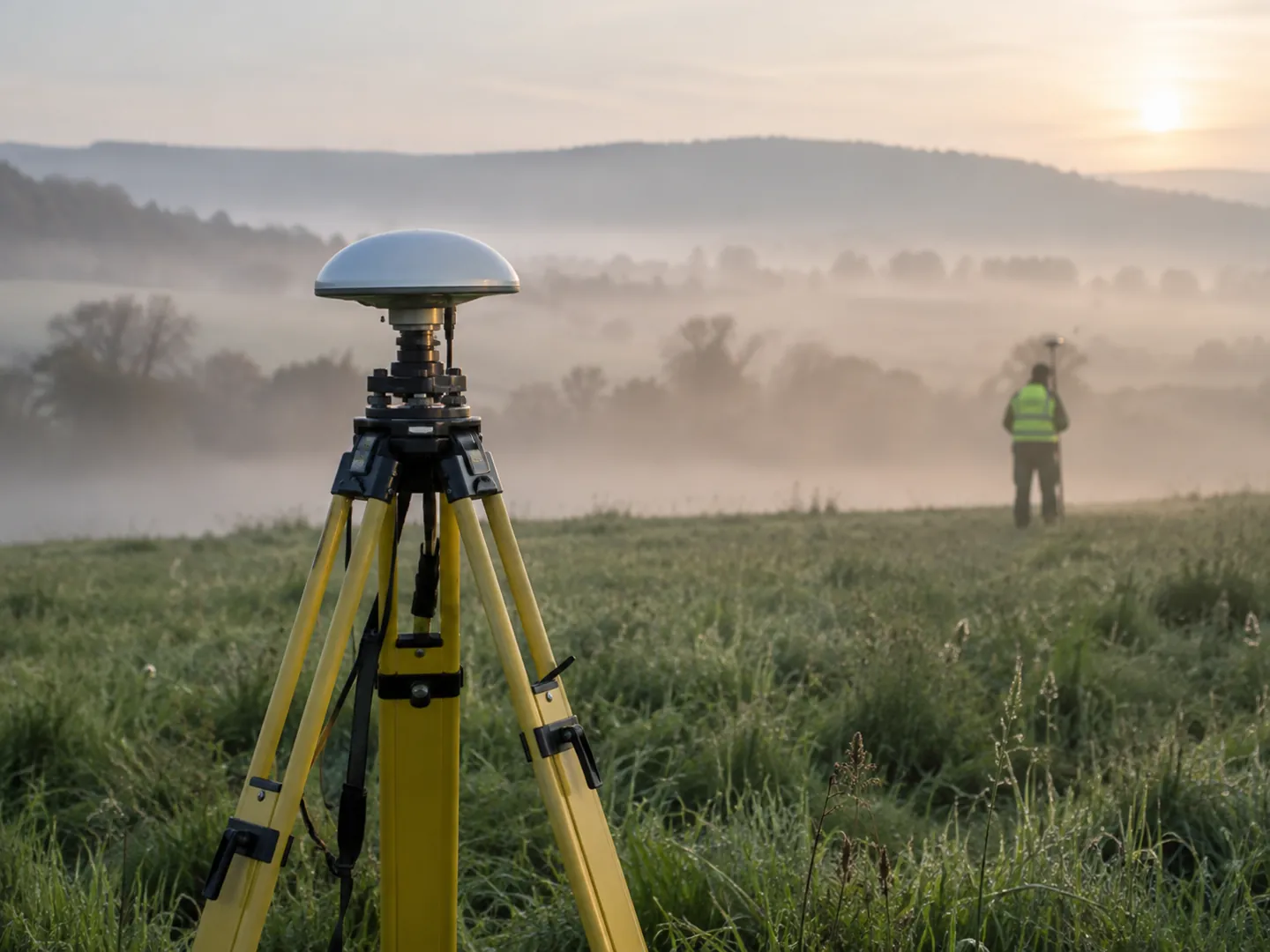
FROM SIGNAL TO DOT
Satellites send out time signals and the receiver does the working out, using the satellites it can see at that moment.
Each satellite carries an atomic clock with a nominal accuracy of about 1 nanosecond and sends out time signals.
From any point on Earth at least 4 GPS satellites are visible, and up to 12 can be.
Your phone compares the time signals from the satellites it can see, using their known positions.
Trilateration finds where spheres drawn around each satellite intersect. That point is your position.
NOT JUST GPS
GPS is the US system. Europe's Galileo runs under civilian control, with initial services starting on 15 December 2016. Its satellites orbit at 23,222 km in three planes, and it is designed to work alongside GPS and Russia's GLONASS.
Galileo also helps search and rescue: it relays distress signals and can send a reply confirming help is coming. In the UK, a 2018 Government Office for Science review noted that critical services from telecoms to transport rely on satellite navigation systems.
Questions
The constellation is built around 24 slots, expanded in 2011 to effectively 27. GPS.gov listed 31 operational satellites as of July 2023, and the US commits to at least 24 being available 95% of the time.
Ohio State University's astronomy department says at least 4 GPS satellites are visible from any point on Earth, and up to 12. A receiver usually compares signals from 6 to 12 of them.
Satellite clocks run about 38 microseconds a day fast compared with clocks on the ground, because of weaker gravity and their speed. Without correction, errors would grow by roughly 10 km a day.
Tall buildings block satellite signals and reflect them off walls, which GPS.gov calls multipath. Bridges and trees can also block signals.
Europe's own global navigation satellite system, under civilian control. ESA says it currently has 28 satellites, offers metre-range positioning and works alongside GPS and GLONASS.
Sources
ABOUT THIS NAME
doodlegps.com is part of the DoodleSale portfolio. It isn't in an auction right now, but you can ask about leasing it.